Preventive Dentistry in Park Ridge, IL
Preventive dentistry in Park Ridge at Loukas Dentistry includes professional cleanings and exams, usually every six months, low radiation digital x rays, oral cancer screening, fluoride and sealants. Regular visits help catch cavities and gum disease early, when treatment is simpler. We see children and adults at 714 W Higgins Rd, Park Ridge, IL.
Preventive Dental Care
Preventive Dentistry in Park Ridge, IL
Protect your teeth, gums, and long term oral health with exams, cleanings, screenings, fluoride, sealants, and personalized prevention at Loukas Dentistry. Preventive dentistry in Park Ridge is one of the simplest ways to avoid larger treatment later.
Prevention focused care for every smile
Preventive dentistry helps patients stay ahead of cavities, gum disease, enamel wear, and small dental concerns before they become larger problems. At Loukas Dentistry, visits are planned around comfort, education, and practical recommendations for patients in Park Ridge.
Dr. Thanasi Loukas and the team combine thorough examinations, professional cleanings, digital imaging when appropriate, and personalized home care guidance so patients can maintain healthy smiles with confidence.
Preventive Dentistry in Park Ridge: Cleanings and Exams
nn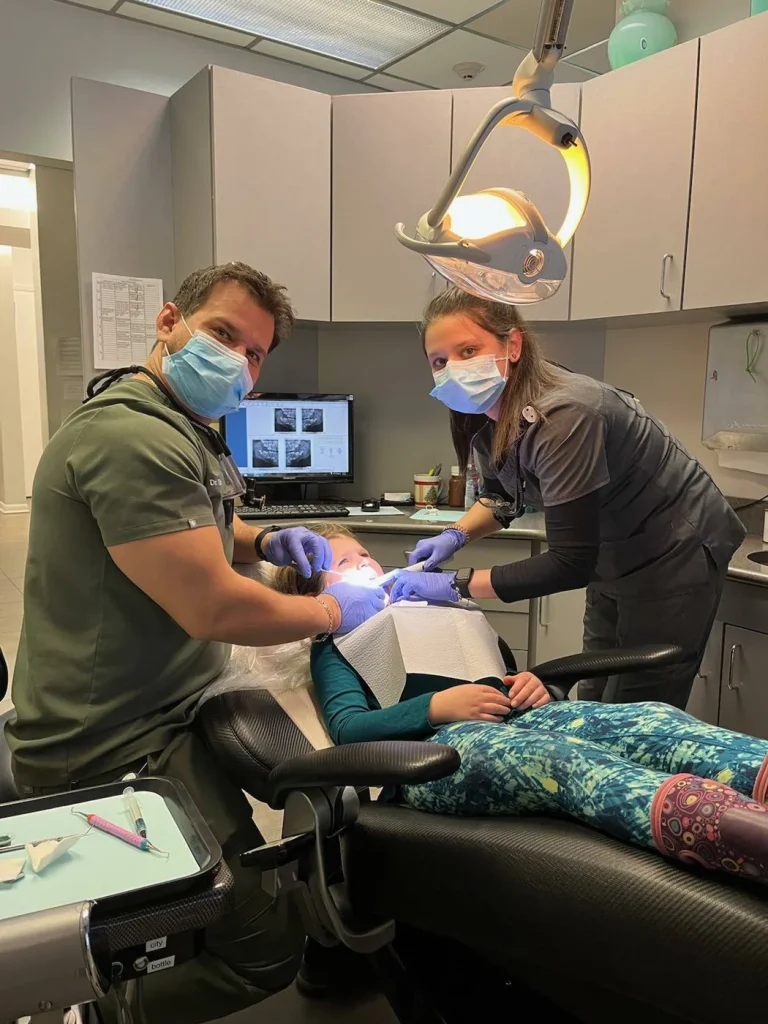
A Child’s First Visits Should Never Be Traumatic
The young patient in this photo is calm, takes care of her teeth, and looks forward to coming in. That is what we strive for with every child. The goal of early visits is simple: a child gets acquainted with the dentist and the hygienist before anything hurts, learns that the office is a friendly place, and builds habits we help start and parents reinforce at home.
That only works if children come in before there is a problem. Traditionally the dentist has been portrayed as a scary place where things hurt, but that reputation comes from people waiting until a tooth hurts, when the dentist is the one who has to treat the pain. A child who starts with easy checkups and cleanings never learns to connect dental care with discomfort.
A request for parents: please never use the dentist as a threat. Phrases like “brush your teeth or the dentist will have to drill” teach a child to associate medical and dental care with pain and punishment. No one should feel that way about caring for their body. Instead, treat the visit as something normal and even fun, and let Dr. Loukas and Elena do the rest. Children who grow up this way tend to keep their good habits, and that is the foundation of a lifelong healthy smile. Learn more on our kids dentistry page.
A preventive visit at Loukas Dentistry usually includes a professional teeth cleaning, a complete dental exam with Dr. Loukas, an oral cancer screening, and digital radiographs when they are due. Each visit is a chance to catch small concerns early, while they are usually simpler to treat.
- Professional cleaning: removal of plaque and hardened tartar that brushing and flossing cannot reach, followed by polishing.
- Dental exam: a check of each tooth, existing fillings and crowns, your gums and your bite.
- Gum assessment: measurements around the teeth that help show early signs of gum disease.
- Oral cancer screening: a visual and hands on check of the soft tissues of the mouth and neck.
- Personal plan: a recommended cleaning interval and home care steps based on your own risk.
See what to expect in more detail on our checkups and cleanings page.

How preventive dentistry can help

Routine exams and cleanings
Regular checkups help remove plaque and tartar buildup, monitor gum health, and identify dental concerns early.
Digital X rays and screenings
Low radiation digital imaging and oral cancer screenings support earlier detection and more informed treatment planning.
Fluoride and sealant protection
Preventive treatments may help strengthen enamel and protect cavity prone areas, especially for children and higher risk patients.
At Home Care Tips From Dr. Loukas
Professional cleanings are essential, but what you do at home every day has the greatest long term impact on your oral health.
Brush Twice Daily
Brush for a full two minutes, twice per day, morning and before bed. Use a soft bristled toothbrush and fluoride toothpaste. Replace your toothbrush every 3 months or after illness.
Tip: Angle the brush at 45 degrees toward the gumline to clean below the gum margin.
Floss Every Day
Flossing removes plaque and food debris from the spaces between teeth and below the gumline that your toothbrush cannot reach. Floss at least once daily, ideally before bedtime.
Tip: Curve the floss into a C shape around each tooth and slide gently below the gumline.
Use Fluoride Toothpaste
Fluoride remineralizes early cavities, strengthens enamel, and may reduce the risk of new decay. Use a fluoride toothpaste with at least 1,000 ppm fluoride. Do not rinse immediately after brushing. Abrasivity varies widely between brands, so it is worth checking where yours sits on our toothpaste abrasiveness chart, ranked by RDA.
Tip: For high risk patients, we may prescribe prescription strength 5,000 ppm fluoride toothpaste.
Limit Sugary and Acidic Foods
Every time you consume sugar or acid, bacteria in your mouth produce acid that attacks your enamel for 20 to 40 minutes. Frequent snacking creates a constant acid attack environment.
Tip: Cheese, nuts, and vegetables are among the best snack choices for your teeth.
Stay Hydrated with Water
Saliva is your mouth’s natural defense against decay. It neutralizes acids, washes away food particles, and delivers minerals to your teeth. Fluoridated tap water provides additional protection.
Tip: Dry mouth (xerostomia) dramatically increases cavity risk. Let us know if you experience it.
Replace Your Toothbrush Regularly
A worn toothbrush is significantly less effective at removing plaque. Replace your toothbrush or electric brush head every 3 months, or sooner if bristles are visibly frayed.
Tip: Always replace your toothbrush after a cold, flu, or mouth infection.
Your Gums and Your Overall Health
The link between gum (periodontal) disease and heart disease is well documented. In its December 2025 scientific statement, the American Heart Association reported that gum disease is associated with a higher risk of heart attack, stroke, atrial fibrillation, heart failure and peripheral artery disease, and that emerging data point to an association independent of the risk factors the two conditions share. A review of 30 long term studies found that people with gum disease had about a 20% higher risk of cardiovascular disease. Researchers are still working to confirm whether gum disease directly causes these conditions, but the evidence that they travel together is consistent.
Gum disease is also common. About 42% of U.S. adults age 30 and older have periodontitis, according to CDC research published in the Journal of the American Dental Association, and many do not know it because the early stages rarely hurt.
How Gum Disease May Affect Your Heart
Bacterial translocation: Research suggests that bacteria associated with gum disease, including Porphyromonas gingivalis, can enter the bloodstream through inflamed gum tissue. These bacteria have been identified in atherosclerotic plaques in coronary arteries, and a study in a JAMA Network journal associated a higher burden of periodontal bacteria with coronary heart disease.
Systemic inflammation: Studies have linked periodontal disease to elevated levels of C reactive protein (CRP) and other inflammatory markers. Chronic systemic inflammation is considered a contributing factor in cardiovascular disease, stroke, and type 2 diabetes.
Endothelial dysfunction: Research indicates that patients with moderate to severe periodontitis may have impaired endothelial function, the ability of blood vessels to dilate properly, which is recognized as an early marker of cardiovascular risk.
Why Brushing, Flossing and a Deep Cleaning Matter
Daily brushing and flossing remove plaque, the sticky film of bacteria that irritates the gums, before it hardens into tartar. Flossing reaches the spaces between teeth and just under the gumline, where gum disease usually starts and where a toothbrush cannot clean.
Professional cleanings remove the tartar that brushing and flossing cannot. At your checkup and cleaning we also measure the pockets around your teeth, which is how gum disease is found early, often before it causes any discomfort.
A deep cleaning (scaling and root planing) is recommended when bacteria and tartar have collected below the gumline and the gums have started to pull away from the teeth. It cleans the root surfaces so the gum tissue can heal, and it is the first line of gum disease treatment. Left untreated, periodontitis can lead to bone loss and tooth loss.
Good oral care is associated with better heart health. In a study of more than 247,000 adults published in the European Heart Journal, brushing one additional time per day was associated with a 9% lower risk of cardiovascular events, and regular professional cleanings with a 14% lower risk. In a clinical trial published in the New England Journal of Medicine, blood vessel function had improved six months after intensive gum treatment. A 2023 study in the Journal of the American Dental Association found lower overall health care costs among patients with diabetes who received periodontal treatment. The American Heart Association notes that treatments which reduce chronic inflammation appear beneficial for cardiovascular risk, and it has called for long term trials of gum treatment. Read more about the stages of gum disease and deep cleaning.
Conditions That Research Has Linked to Gum Disease
Type 2 Diabetes
Research suggests a bidirectional relationship, where each condition may worsen the other.
Stroke
In a review of long term studies, people with gum disease had about a 24% higher risk of stroke.
Preterm Birth
Some research has linked gum disease to an increased risk of low birth weight and preterm delivery.
Alzheimer’s Disease
Early research has found P. gingivalis, a periodontal bacterium, in brain tissue samples. Whether gum disease plays a role in Alzheimer’s disease is still being studied.
Rheumatoid Arthritis
Studies suggest shared inflammatory pathways between periodontal disease and rheumatoid arthritis.
Respiratory Disease
Research indicates oral bacteria may be aspirated into the lungs, potentially contributing to respiratory infections.
Signs of Gum Disease to Watch For
- Bleeding gums when brushing or flossing
- Red, swollen, or tender gum tissue
- Persistent bad breath (halitosis)
- Gum recession (teeth appear longer than before)
- Loose or shifting teeth
- Pus between teeth and gums
If you notice any of these signs, schedule an appointment so we can assess your periodontal health. Early detection and treatment of gum disease can help protect both your oral health and your overall wellbeing.
Why Keeping Your Natural Teeth Matters
Gum disease is a leading cause of tooth loss in adults, and losing teeth affects far more than a smile. Research shows it can change what you are able to eat, how you feel about yourself, and how often you share a meal with other people. The teeth you keep in your 40s and 50s are the teeth you will chew with in your 70s and 80s.
Eating Well as You Age
Chewing is the first step in digestion. In a British national survey of adults 65 and older, people with no natural teeth ate less fruit, vegetables, protein and fiber than people who had kept their teeth, and had lower blood levels of vitamin C. Many had difficulty with foods such as apples, raw carrots, nuts and steak.
Confidence and Quality of Life
A review of the research found that tooth loss is associated with a lower quality of life, with front teeth having the greatest impact. In another study, about 45% of people who had lost their teeth found the loss difficult to accept, and they were more likely to feel less confident.
Sharing Meals and Staying Social
In a study of more than 156,000 older adults, 27% of those with nine or fewer teeth and no replacement ate their meals alone, compared with about 14% of those with 20 or more teeth. Research in Japan and England has also linked having fewer teeth with social isolation.
Heart Health
In the European Heart Journal study, the more teeth people had lost, the higher their risk of cardiovascular events.
Most tooth loss is preventable. Daily brushing and flossing, regular cleanings, and treating gum disease early give you the best chance of keeping your own teeth for life, so you can eat what you enjoy, smile without thinking about it, and sit down to a meal with family and friends at any age.
If you have already lost teeth, replacing them matters too. In the same study of older adults, people who had replaced their missing teeth ate alone less often than those who had not. Learn about dental implants, implant supported dentures, bridges and partial dentures at our Park Ridge office.
Published Research Behind This Page
These are the peer reviewed articles and professional statements behind the information above. Each link opens the journal or its National Library of Medicine record.
Gum Disease, Heart Disease and Diabetes
- Tran AH, et al. Periodontal disease and atherosclerotic cardiovascular disease: a scientific statement from the American Heart Association. Circulation, published December 16, 2025.
Gum disease is associated with a higher risk of heart attack, stroke, atrial fibrillation, heart failure and peripheral artery disease, and emerging data point to an association that is independent of shared risk factors. - Larvin H, Kang J, Aggarwal VR, Pavitt S, Wu J. Risk of incident cardiovascular disease in people with periodontal disease: a systematic review and meta analysis. Clinical and Experimental Dental Research, 2021, volume 7, pages 109 to 122.
Across 30 long term studies, people with gum disease had about a 20% higher risk of cardiovascular disease, and about a 24% higher risk of stroke. - Park SY, Kim SH, Kang SH, et al. Improved oral hygiene care attenuates the cardiovascular risk of oral health disease: a population based study from Korea. European Heart Journal, 2019, volume 40, page 1138.
In 247,696 adults followed for about 9.5 years, one more tooth brushing per day was associated with a 9% lower risk of cardiovascular events and regular professional cleanings with a 14% lower risk. Losing more teeth was associated with a higher risk. - Sanz M, Marco del Castillo A, Jepsen S, et al. Periodontitis and cardiovascular diseases: consensus report. Journal of Clinical Periodontology, 2020, volume 47, pages 268 to 288.
A joint consensus of the European Federation of Periodontology and the World Heart Federation on the association between periodontitis and cardiovascular disease, with recommendations for dentists, physicians and patients. - Lockhart PB, Bolger AF, Papapanou PN, et al. Periodontal disease and atherosclerotic vascular disease: does the evidence support an independent association? A scientific statement from the American Heart Association. Circulation, 2012, volume 125, pages 2520 to 2544.
The earlier Heart Association statement, which found an association between gum disease and vascular disease independent of known shared risk factors. - Demmer RT, Desvarieux M. Periodontal infections and cardiovascular disease: the heart of the matter. Journal of the American Dental Association, 2006, volume 137 supplement, pages 14S to 20S.
A review that found the evidence continues to support an association among periodontal infections, atherosclerosis and vascular disease. - Spahr A, Klein E, Khuseyinova N, et al. Periodontal infections and coronary heart disease: role of periodontal bacteria and importance of total pathogen burden in the Coronary Event and Periodontal Disease (CORODONT) study. Archives of Internal Medicine (now JAMA Internal Medicine), 2006, volume 166, pages 554 to 559.
In 263 patients with coronary heart disease and 526 matched controls, a higher burden of periodontal bacteria was associated with coronary heart disease. - Tonetti MS, D’Aiuto F, Nibali L, et al. Treatment of periodontitis and endothelial function. New England Journal of Medicine, 2007, volume 356, pages 911 to 920.
A randomized clinical trial. Six months after intensive gum treatment, the improvement in oral health was associated with improved blood vessel function. - Eke PI, Thornton-Evans GO, Wei L, Borgnakke WS, Dye BA, Genco RJ. Periodontitis in US adults: National Health and Nutrition Examination Survey 2009 to 2014. Journal of the American Dental Association, 2018, volume 149, pages 576 to 588.
About 42% of U.S. adults age 30 and older who have teeth had periodontitis, and 7.8% had severe periodontitis. - Mealey BL. Periodontal disease and diabetes: a two way street. Journal of the American Dental Association, 2006, volume 137 supplement, pages 26S to 31S.
Diabetes raises the risk of gum disease, and gum inflammation may make blood sugar harder to control. - Thakkar-Samtani M, Heaton LJ, Kelly AL, et al. Periodontal treatment associated with decreased diabetes mellitus related treatment costs: an analysis of dental and medical claims data. Journal of the American Dental Association, 2023, volume 154, pages 283 to 292.
Among patients with diabetes, overall health care costs were 12% lower (commercial insurance) and 14% lower (Medicaid) for those who received periodontal treatment. - American Dental Association. Oral systemic health. ADA Library, Oral Health Topics.
The ADA overview of how oral health relates to overall health.
Tooth Loss, Nutrition and Quality of Life
- Sheiham A, Steele J. Does the condition of the mouth and teeth affect the ability to eat certain foods, nutrient and dietary intake and nutritional status amongst older people? Public Health Nutrition, 2001, volume 4, pages 797 to 803.
In a British national survey of adults 65 and older, people with no natural teeth ate less fruit, vegetables, protein and fiber and had lower blood levels of vitamin C than people who had kept their teeth. - Gerritsen AE, Allen PF, Witter DJ, Bronkhorst EM, Creugers NHJ. Tooth loss and oral health related quality of life: a systematic review and meta analysis. Health and Quality of Life Outcomes, 2010, volume 8, article 126.
Tooth loss is associated with a lower quality of life, and both the number and the position of missing teeth matter. Losing front teeth had the greatest impact. - Davis DM, Fiske J, Scott B, Radford DR. The emotional effects of tooth loss: a preliminary quantitative study. British Dental Journal, 2000, volume 188.
About 45% of people who had lost their teeth found the loss difficult to accept. They were more likely to feel less confident and inhibited in everyday activities. - Kinugawa A, Kusama T, Yamamoto T, et al. Association of poor dental status with eating alone: a cross sectional Japan Gerontological Evaluation Study among independent older adults. Appetite, 2022, volume 168, article 105732.
Among 156,287 adults 65 and older, 27% of those with nine or fewer teeth and no replacement ate alone, compared with about 14% of those with 20 or more teeth. - Koyama S, Saito M, Cable N, et al. Examining the associations between oral health and social isolation: a cross national comparative study between Japan and England. Social Science and Medicine, 2021, volume 277, article 113895.
In older adults in both countries, having fewer remaining teeth was associated with a higher likelihood of social isolation.
This information is educational and is not a substitute for an examination. Reviewed by Dr. Thanasi Loukas, DMD.
Is your toothpaste wearing your teeth down?
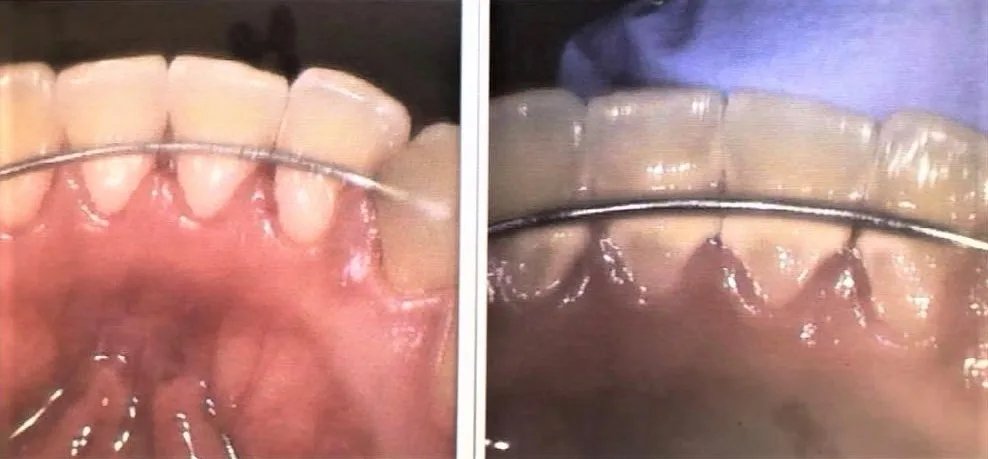
Notches at the gumline are usually caused by the abrasive in the paste rather than the brush itself. See the toothbrush abrasion and toothpaste RDA chart for the abrasivity of common brands and what we recommend.
Fluoride Treatment in Park Ridge, IL: For Kids and Adults
A fluoride treatment is the simplest thing we do and one of the most effective. After a cleaning, the hygienist paints a concentrated fluoride varnish onto the teeth. It sets on contact, you can eat soon after, and over the next several hours the enamel absorbs mineral that makes it harder for acid to start a cavity. The whole step takes a minute or two.
Preventing cavities in children
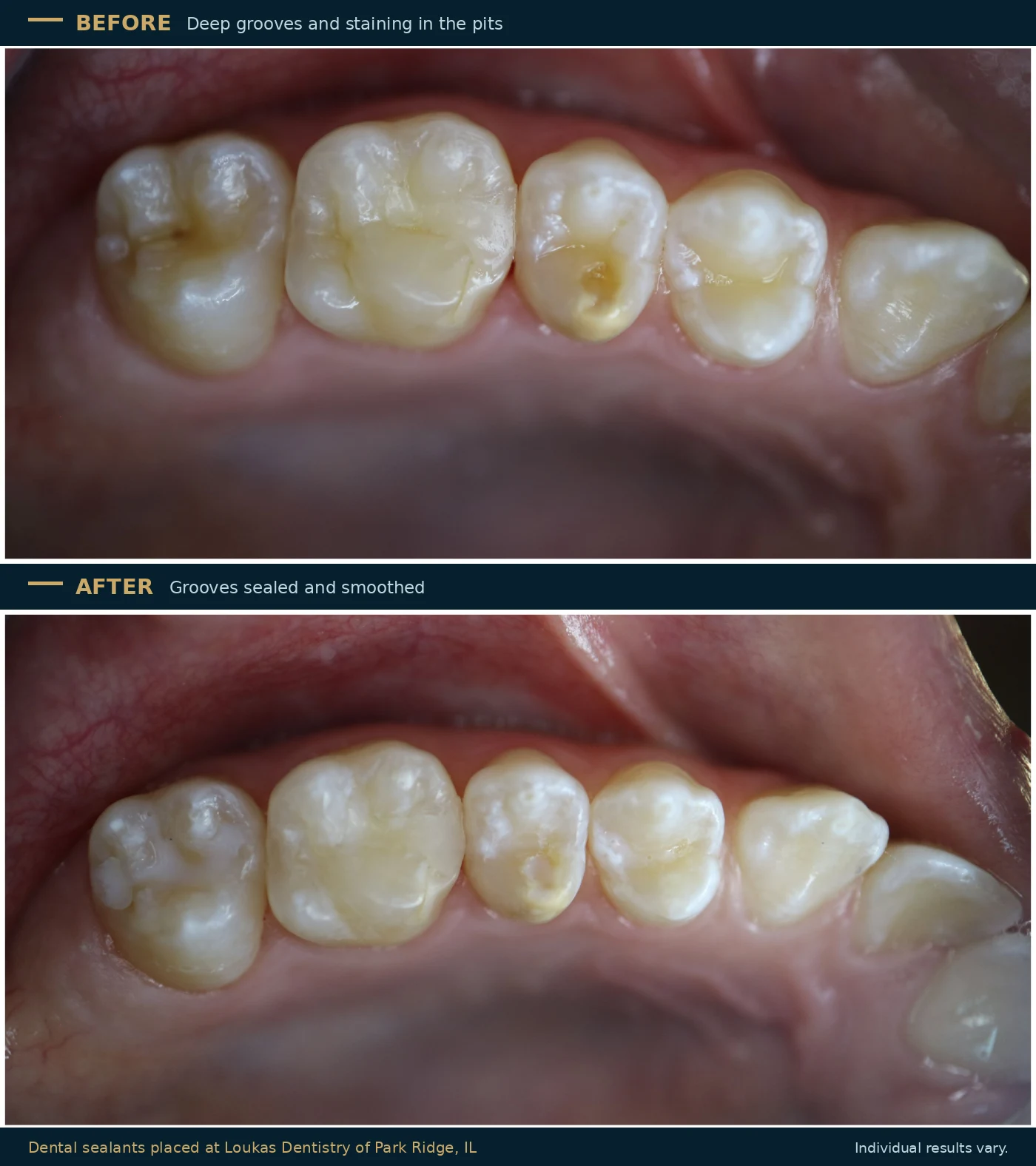
Children benefit most, because new enamel is softer and the grooves of new molars trap food. In our Park Ridge office a fluoride treatment is part of most children’s checkups, usually twice a year, and we pair it with dental sealants on the chewing surfaces of the back teeth once they come in. Many dental plans cover fluoride for children at no charge; we check your plan before the visit. Between visits, a pea sized amount of fluoride toothpaste twice a day does the daily work, and we show younger children how to spit rather than swallow.
When adults need fluoride too
Fluoride is not only for kids. We recommend it for adults with receding gums and exposed root surfaces, a dry mouth from medication, a history of frequent cavities, braces or aligner attachments, or crowns and bridges whose margins need protecting. For some patients Dr. Loukas prescribes a higher strength fluoride toothpaste to use at home. If you are not sure whether you need it, ask at your next checkup and cleaning, or call (847) 696-1919.
Related preventive resources
Use these supporting pages to learn more about routine care, hygiene, and prevention at Loukas Dentistry.
Frequently asked questions
How often should I schedule preventive dental visits?
Many patients benefit from visits every six months, but the right interval depends on your gum health, cavity risk, medical history, and home care needs. Patients with a history of gum disease or high caries risk may benefit from cleanings every 3 to 4 months. Dr. Loukas recommends the appropriate interval based on your individual risk assessment.
Does a professional cleaning hurt?
Most patients experience little to no discomfort during a routine cleaning. Patients with sensitive gums or significant tartar buildup may experience some sensitivity, which is normal. We offer topical anesthetic gel for sensitive areas, and our hygienists are trained to work gently and efficiently.
What is the difference between a regular cleaning and a deep cleaning?
A regular cleaning (prophylaxis) removes plaque and tartar from above and just below the gumline. A deep cleaning (scaling and root planing) is a therapeutic procedure for patients with gum disease that involves cleaning the root surfaces below the gumline to remove bacteria and allow the gum tissue to heal and reattach.
Are preventive visits only for children?
No. Preventive care is important for children, teens, adults, and seniors because oral health needs change over time.
Is fluoride treatment safe for adults?
Yes. Professional fluoride varnish is safe and effective for patients of all ages. The concentration used in our office is higher than toothpaste but is applied in a small, controlled amount that stays on the teeth. The evidence supporting fluoride’s safety and effectiveness in cavity prevention is substantial.
My gums bleed when I brush. Is that normal?
Bleeding gums are not considered normal and are often a sign of gingivitis (early gum disease) or periodontitis. Healthy gum tissue typically does not bleed with gentle brushing or flossing. If your gums bleed regularly, please schedule an appointment so we can assess your periodontal health.
Is gum disease linked to heart disease?
Yes. The link is well documented. In its 2025 scientific statement, the American Heart Association reported that gum disease is associated with a higher risk of heart attack, stroke, atrial fibrillation, heart failure and peripheral artery disease. Researchers are still working to confirm whether gum disease directly causes these conditions. Good brushing and flossing, regular cleanings, and a deep cleaning when clinically appropriate keep your gums healthy and help you keep your teeth. See the published research.
Can preventive care help avoid emergencies?
Routine exams and cleanings can help identify decay, cracked teeth, gum inflammation, and bite concerns earlier, which may reduce the risk of urgent dental problems.
Schedule preventive dental care in Park Ridge
Loukas Dentistry provides family focused preventive dentistry for Park Ridge with a clear emphasis on comfort, education, and long term oral health.
Read more: our guide to healthy teeth at home covers brushing technique, toothpaste, flossing, diet and bad breath.
nLearn More From Dr. Loukas
Related reading