Invisalign vs. Braces in Park Ridge, IL: Which Is Right for You?
Straightening Your Smile in Park Ridge: Invisalign or Braces?
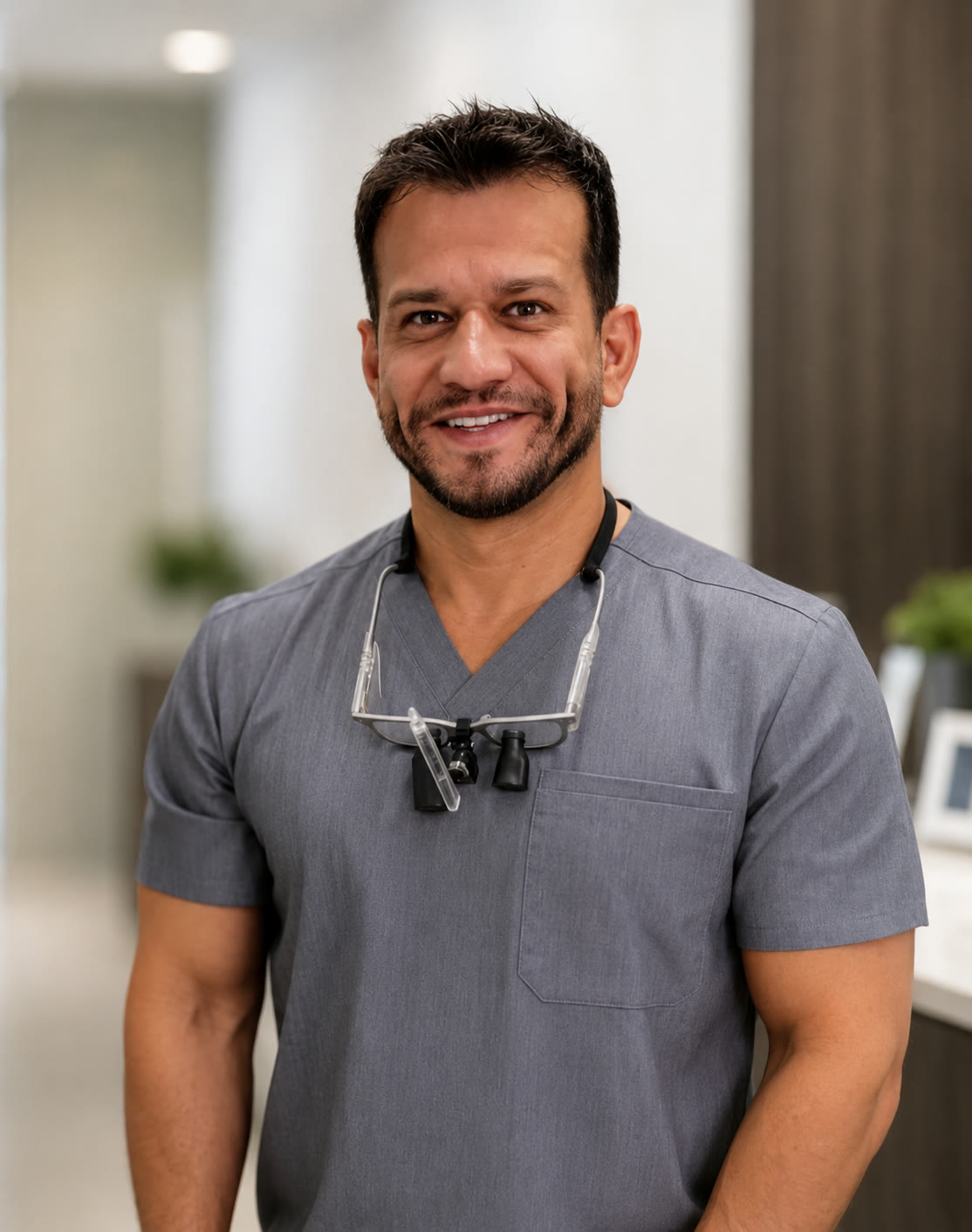
If you have been thinking about straightening your teeth, you have probably already heard about Invisalign. But how does it compare to traditional metal braces? At Loukas Dentistry in Park Ridge, IL, Dr. Thanasi Loukas offers both options and helps patients choose the treatment that fits their lifestyle, budget, and smile goals.
What Is Invisalign?
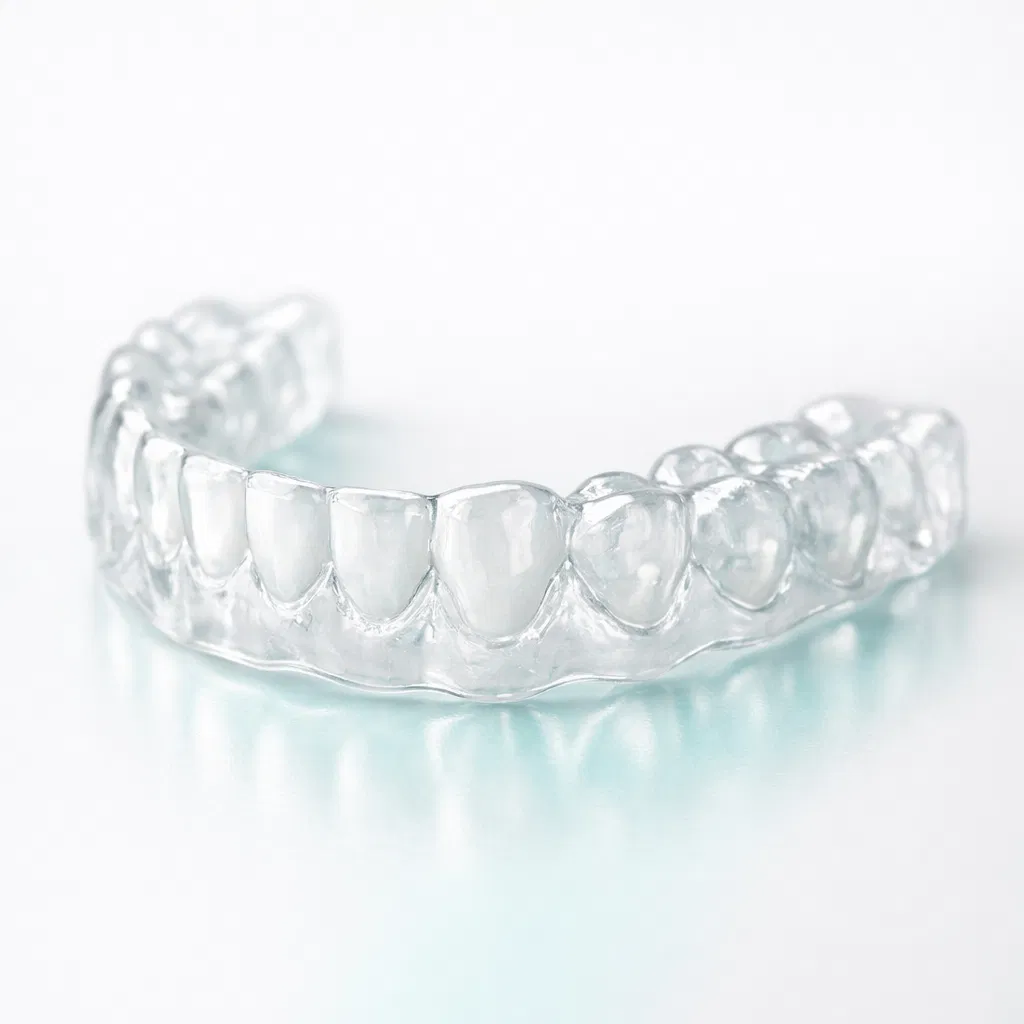
Invisalign uses a series of custom-made, clear plastic aligners that gradually shift your teeth into the correct position. Each set of aligners is worn for about two weeks before moving on to the next set in the series. Because the aligners are removable, you can eat, drink, brush, and floss normally throughout treatment.
Invisalign is FDA-approved and has been used to treat millions of patients worldwide. At Loukas Dentistry, we offer free Invisalign consultations so you can find out if you are a candidate with no commitment required.
What People Mean by Invisible Braces
Most patients who search for invisible braces in Park Ridge are describing Invisalign. Invisible braces, clear braces and clear aligners all point to the same idea, an orthodontic treatment that straightens teeth without visible metal brackets across the front of the smile. There is one distinction worth knowing. Clear ceramic braces are still fixed brackets, tooth coloured rather than silver, and they stay bonded to the teeth for the whole treatment. Invisalign aligners are removable trays that come out for meals and for brushing. When patients ask us about invisible braces, they almost always mean the removable kind.
Both are available here in Park Ridge, IL. Dr. Thanasi Loukas will tell you at the consultation which one your case actually calls for, and he will say so plainly if braces would give you a better result than aligners. If you want the full detail on the aligner route, our Invisalign in Park Ridge, IL page covers cost, timeline and the free iTero scan. For fixed appliances and growth guidance in younger patients, see braces and orthodontics.
What Are Traditional Braces?
Traditional metal braces use brackets bonded to the teeth and connected by wires that are periodically tightened to move teeth into alignment. Braces are fixed in place and cannot be removed during treatment, which means they work around the clock.
Modern braces are smaller and more comfortable than they were a generation ago. They remain the gold standard for complex orthodontic cases, including significant crowding, bite issues, and rotations.
Invisalign vs. Braces: A Side-by-Side Comparison
| Feature | Invisalign | Traditional Braces |
|---|---|---|
| Appearance | Clear, nearly invisible | Visible metal brackets and wires |
| Removable | Yes | No |
| Diet restrictions | None | Avoid hard, sticky foods |
| Oral hygiene | Easy, brush and floss normally | Requires extra care around brackets |
| Comfort | Smooth plastic, minimal irritation | May cause soreness after adjustments |
| Best for | Mild to moderate cases, adults and teens | Complex cases, all ages |
| Treatment time | 6 to 18 months on average | 18 to 36 months on average |
Who Is a Good Candidate for Invisalign?
Invisalign works well for adults and teens who have mild to moderate crowding, spacing, or bite issues. It is especially popular among professionals and adults who want to straighten their teeth discreetly. If you have a more complex case involving significant bite correction or severe crowding, Dr. Loukas may recommend braces for more predictable results.

How Dr. Loukas Decides Between Them
- How far the teeth have to travel. Mild to moderate crowding and spacing move predictably with aligners. Teeth that need a large rotation, or that have to be moved bodily through bone, are more predictable on a wire.
- Whether the bite has to change. Correcting a deep bite, an open bite or a significant overjet asks more of the mechanics. Aligners handle a great deal of this with attachments and elastics, but there is a point where brackets simply do the job better.
- How reliably the trays will be worn. Aligners only work while they are in the mouth, and the target is 20 to 22 hours a day. Braces work around the clock whether you think about them or not. This is an honest conversation, not a judgement.
- Age and growth. A younger patient who is still growing sometimes benefits from fixed appliances that use that growth. An adult whose jaws have finished growing usually has more freedom to choose.
- What your day looks like. If you present, teach, sell or stand in front of people all day, the removable clear option matters more than it does on paper.
What Each Option Costs in Park Ridge
Cost follows how far the teeth have to move and how long treatment runs, so a firm figure comes from your consultation rather than from a web page. For comparable cases, clear aligners and traditional braces land in a similar range, and the gap is usually smaller than patients expect. A very short aligner case can cost more than you would guess because the laboratory fee is built in from the first tray. A long braces case can cost more because of the number of adjustment visits it takes.
Many dental plans that include an orthodontic benefit treat aligners and braces the same way. That benefit is normally a lifetime maximum rather than an annual one, which means it can be used once, so it is worth knowing the number before you start. We check your coverage in advance. See insurance we accept and dental payment plans.
Free Invisalign Consultations at Loukas Dentistry
Not sure which option is right for you? We offer free Invisalign consultations at our Park Ridge office. Dr. Loukas will evaluate your teeth, discuss your goals, and give you an honest recommendation based on your specific situation.
Loukas Dentistry is conveniently located at 714 W Higgins Rd, Park Ridge, IL 60068. We welcome patients from Park Ridge, Des Plaines, Niles, Norwood Park, and Edison Park.
Call us at (847) 696-1919 or request an appointment online to schedule your free consultation.
Find out which option fits your teeth
Invisalign consultations are free and include a digital scan, so you see the plan before you commit to anything.
Call (847) 696-1919Request an AppointmentPrefer clear aligners? See our dedicated Invisalign in Park Ridge, IL page for cost, timeline, before-and-after photos and a free iTero scan.
Invisalign and Braces in Park Ridge, IL: Common Questions
Are invisible braces and Invisalign the same thing?
For most patients yes. Invisible braces is the everyday name for clear aligners, and Invisalign is the system we use at our Park Ridge office. The one exception is clear ceramic braces, which are fixed brackets in a tooth coloured material rather than removable trays.
How much do Invisalign and braces cost in Park Ridge?
Cost follows how far the teeth have to move and how long treatment runs, so the figure comes from your consultation rather than from a web page. For comparable cases aligners and braces land in a similar range. We check your orthodontic benefit before you commit and we offer payment plans.
How long does Invisalign take compared to braces?
Invisalign averages 6 to 18 months and braces average 18 to 36 months, but that comparison only holds when both are treating the same problem. A complex case treated with aligners will not finish faster than the same case treated with braces.
Can teenagers get Invisalign instead of braces?
Yes, when they are reliable about wearing the trays 20 to 22 hours a day. Teen aligners carry a small indicator that fades with wear, so parents and Dr. Loukas can see whether the trays are actually being worn rather than guessing.
Does dental insurance cover clear aligners?
Many plans that include an orthodontic benefit treat aligners and braces the same way. That benefit is usually a lifetime maximum rather than an annual one, so it can only be used once. We verify your coverage in advance.
What happens after the teeth are straight?
You wear a retainer. Teeth drift back toward their old position for the rest of your life if nothing holds them, and that is equally true after aligners and after braces. Retainer wear is what protects the result.
Related reading
Invisalign in Park Ridge, IL covers cost, the treatment timeline and the free iTero digital scan in full.
Braces and orthodontics is the place to start if a fixed appliance is the likelier answer for your case.
Kids dentistry in Park Ridge, IL explains when a child should first be assessed for alignment and what we watch for as the adult teeth arrive.
Cosmetic dentistry is the wider silo, for patients weighing straightening against veneers or bonding.