IV Sedation: Dental Innovation

Relaxed ManHave you ever had IV sedation for any medical reason? Many people might consider dental work something that isn’t worthy of such a level of sedation. But look at another way: Just because knowledge and technology doesn’t exist for a time, doesn’t mean we have to keep doing things the same way when new discoveries are made. You’ll spend money on the latest and greatest laptop, and would never dream of just sticking with the gigantic desktop you had 15 years ago. There was a time when digging your fingernails into the arms of your chair might have been the only anesthetic you got for dental procedures. Now, we have a variety sedation options, and there’s no reason not to use these safe and effective methods to avoid pain and discomfort when you visit Park Ridge dentists, Dr. Maria and Dr. Thanasi Loukas.

Putting it Off Makes it Worse

People who are uncomfortable about going to the dentist will often put off years of cleanings and necessary dental procedures. Unfortunately, once your teeth are past a certain point, and you continue to neglect them, things will only get worse. With IV sedation, you can finally get all of (more…)


A Short History of Dental Crowns

Smiley GuyIf you let a cavity go for too long, you may end up with enough damage to the tooth structure that a filling won’t be enough to restore your tooth. In these cases, a crown will often be recommended by your dentist. Dental crowns have been around for a long time. Naturally, back in the far annals of history, tooth decay was something you dealt with until your tooth rotted to a point of falling right out of your mouth. However, there has been an interesting evolution of dental restoration techniques.

 Fine Italian Dental Crowns

The Etruscans (who occupied most of what is known today as the Tuscan region of Italy) utilized crowns made of gold all the way back in 700 B.C. However, the process was no longer used for a time during the Middle Ages (perhaps due to availability or cost of materials). The first book of dentistry was written in 1530. Titled The Little Medicinal Book for All Kinds of Diseases and Infirmities of the Teeth, the publication came from Germany. Around this time, the profession of dentistry began to evolve. Before that, issues of the (more…)

Two Sides of a Coin: Dental Care and Sore Throat Care

Sore ThroatScratchy, sore throats irritate many people each day. When you begin to feel a sore throat, do you wonder whether it’s from allergies or a cold? Are you afraid that you may be getting tonsillitis or strep throat? Have you done something recently that could cause throat irritation?

Causes of a Sore Throat

No one enjoys getting sick. A sore throat is often the first sign of several  illnesses including the common cold, strep throat, and tonsillitis. A cold is a virus that runs its course for a week or more without a cure. Another common virus, influenza (AKA the flu) can include sore throat as a symptom that is accompanied by fever and body aches. Strep throat and tonsillitis fall in the category of bacterial infections. Strep throat symptoms include sore throat and fever, but do not include cold-like symptoms of runny or stuffy nose. Tonsillitis, an inflammation of the tonsils created by virus or bacteria, can be very painful. Doctors prescribe strep throat and bacterial tonsillitis with antibiotics to eliminate the infection. Finally, an estimated 50 million Americans suffer from various types of allergies. Allergy sufferers sometimes get sore throats and mistake this ongoing issue for a cold.

Dental Implications

Although uncommon, dental patients occasionally complain of sore throat following a long procedure such as a root canal and dental crown placement. Most likely, dry throat occurs from holding the mouth open for an extended period. It’s possible that muscles are strained during the process and this (more…)

Test your Wisdom with this Third Molar Quiz

True False ChalkWisdom teeth usually erupt in the late teens or early twenties. Often times they come in at the wrong angle, and can cause dental issues. Sometimes they remain impacted, which can lead to potential infection. Park Ridge dentists, Dr. Thanasi and Dr. Maria Loukas want to know just how wise you are about wisdom teeth.

Questions

Q1. True or False – Partially erupted wisdom teeth should be left alone.

Q2. True or False – Wisdom teeth are unnecessary in modern times.

Q3. True or false – Third molar teeth are called “wisdom” teeth because you are considered to be of a wise age when they erupt.

Answers

(more…)

Clear Answers from this Invisalign Quiz

Smile DimpleMany adults will avoid orthodontic work out of the fear that the look of braces and other appliances designed to straighten teeth will be embarrassing. While self-improvement should be something to garner pride, one can see why the idea of wearing traditional braces might lead to avoidance. Luckily, there is Invisalign, a completely inconspicuous method for straightening smiles. Park Ridge dentists, Dr. Thanasi and Dr. Maria Loukas challenge you to a quiz to see how much you know about Invisalign.

Questions

Q1. True or false – Invisalign is worn around the clock, including when you eat and brush your teeth.

Q2. True or false – You should change your Invisalign alignment trays every six months.

Q3. True or false – Invisalign patients will need to visit their dentist every four to six weeks.

Q4. True or false – The ideal candidates for Invisalign are only people with crooked teeth in the front. (more…)

The Intricacies of Different Types of Smiles

SmileyFrom an early age, we are conditioned to flash a grin when we hear, “say cheese!” When you smile on command, does it look and feel natural? Some smiles happen organically, and some are forced. Either way, research shows that a smile can actually release endorphins into your body. So if you’re feeling blue, try smiling, even if you don’t feel like it. You may be surprised that turning your frown upside down may act as a mild anti-depressant. Park Ridge dentists, Dr. Thanasi and Dr. Maria Loukas , will happily share more information about types of smiles.

Smiles: Posed or Felt

Think of politicians on the campaign trail, or actors on the red carpet. Pay attention next time you see a celebrity at a big event, and notice their smile. Does it seem posed or felt? Posed smiles are obviously common in photographs. They are also utilized in response to audience cheers in the middle of speeches. As you can figure, posed smiles are not necessarily genuine. Felt smiles are much more likely to be sincere. You can differentiate a felt smile from a posed smile by noticing the contraction of muscles around the eyes of the person who is smiling. The next time you watch television, see if you can pick out the felt smiles from the posed smiles. (more…)

Can Oral Hygiene Help You Lose Weight?

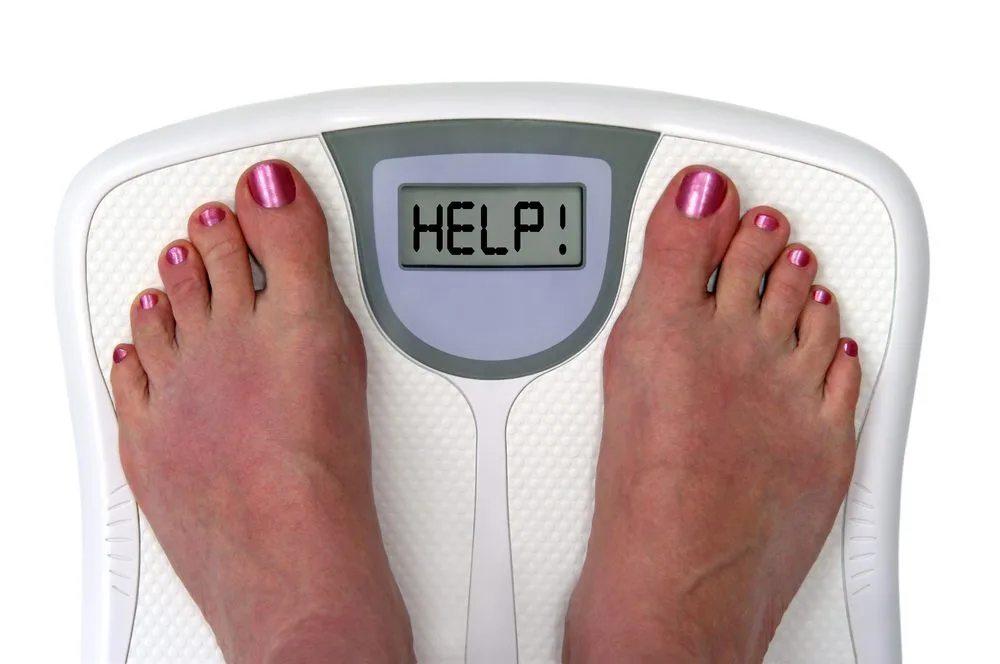
ScaleAround this time of year, many people want to sit by the pool or go to the beach as much as possible, but is your body bathing suit ready? Making a few positive changes for health can translate into not only feeling better, but looking better. Believe it or not, a focus on dental hygiene actually has benefits if you’re trying to trim down.

Cutting Out Sugar

You’ve probably been hearing that sugar is bad for your teeth from the time you could first comprehend such a concept. Sugar feeds the bacteria that cause cavities. High-carbohydrate foods are converted into sugar, so all of the things that are most dangerous to maintaining a healthy weight can also be the most likely to contribute to tooth decay. Cutting back on candy, cookies, pasta, bread, sugar, and soda, amongst many other unhealthy food choices is fantastic for weight and cavity control.

Avoiding Alcohol

Heavy drinking is a notorious way to add empty calories and extra pounds to your life. Alcohol also dries the mouth out, which provides better conditions for bacteria to (more…)

True or False: Bad Breath Can Ruin your Date

True false signsSaliva is the clear, watery liquid in our mouths which we don’t generally wish to think about. You may be surprised to know that saliva plays a rather important role in your dental health. Saliva is a soldier inside your mouth, waging battle against bad breath, dry mouth, and bacteria. Did you know that saliva is constantly battling against the germs which cause bad breath? Park Ridge dentists, Drs. Maria and Thanasi Loukas, challenge you to a quiz on the dental benefits of your salivary glands.

Questions

Q1. True or false – Most saliva production occurs while you sleep.

Q2. True or false – Saliva helps to prevent gum disease and tooth decay.

Q3. True or false – There are two major salivary glands on either side of your cheeks.

Q4. True or false – Dry mouth is a minor condition which is uncomfortable, but harmless. (more…)

Dental Fractures Cause by Chewing Ice

IceCubesIt’s probably pretty hot in your neck of the woods, and will be for at least another month or two. However, with all of those back to school sales and many districts starting early in August, if you have kids, you may feel like fall is swiftly approaching. Don’t pull out the winter coats just yet, and keep the cold drinks coming, however. If your warm weather cool off routine includes chewing on ice from cold beverages, you may want to rethink this detrimental habit. Chewing ice can cause serious damage to your teeth.

A Cold Way to Wear Down Enamel

Your body is smart enough to equip your precious teeth with a protective outer shell called tooth enamel. The enamel on your teeth is the second hardest substance on earth, right behind diamonds. Enamel is the strongest material in your body, with good reason. Your teeth withstand a lot of activity. Exposed to acids and bacteria on a regular basis, enamel can become worn away. Good oral hygiene helps keep enamel strong, but if there are areas of weakness, chewing something which is harder than what your teeth are equipped for can lead to serious damage.

Ice Can Cause Tooth Fractures

Cracks, chips, and fracture lines are common amongst regular ice chewers. When enamel is weakened from all of that ice chewing, it just takes one good crunch to create a big problem in your mouth. Chips and cracks can require cosmetic procedures such as dental bonding to restore a patient’s smile. If fractures go deep enough, tooth decay is given a direct pathway to the roots of the teeth. Fillings, crowns, or root canal procedures (more…)

Root Canals: A Brief History

FillingsThe branch of dentistry which focuses solely on root canals and the internal structure of teeth is called endodontics. The term is Greek in origin,  endo meaning “inside” and odons meaning “tooth.” The history of endodontic dental care dates back to the second or third Century BC, according to the best estimates of researchers. Israelis in that time period utilized bronze wire to extract bacteria-laden dental pulp and treat infected tooth roots and structures.

More on Root Canal “Roots”

Moving forward to the first Century AD archaeological evidence indicates that damaged and infected root canals were drained in order to relieve pressure and alleviate discomfort. As the centuries continued, dental professionals gained a more general understanding of the interior parts of teeth. For example, the discovery was made that covering a tooth after removing diseased pulp made for a more successful and longer lasting treatment. Materials which don’t sound quite right with current knowledge were used as crowns at the time, such as gold foil and even asbestos coatings. (more…)