Preventive Dentistry
Preventive Dental Care
Preventive Dentistry in Park Ridge, IL
Protect your teeth, gums, and long-term oral health with exams, cleanings, screenings, fluoride, sealants, and personalized prevention at Loukas Dentistry.
Prevention-focused care for every smile
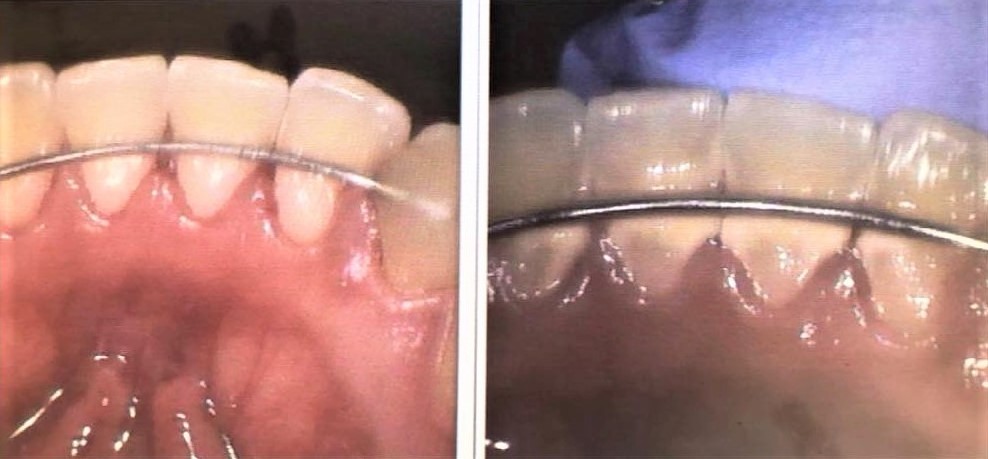
Preventive dentistry helps patients stay ahead of cavities, gum disease, enamel wear, and small dental concerns before they become larger problems. At Loukas Dentistry, visits are planned around comfort, education, and practical recommendations for patients in Park Ridge, Niles, Des Plaines, Edison Park, Norwood Park, Rosemont, and Chicago’s Northwest Side.
Dr. Thanasi Loukas and the team combine thorough examinations, professional cleanings, digital imaging when appropriate, and personalized home-care guidance so patients can maintain healthy smiles with confidence.
How preventive dentistry can help

Routine exams and cleanings
Regular checkups help remove plaque and tartar buildup, monitor gum health, and identify dental concerns early.
Digital X-rays and screenings
Low-radiation digital imaging and oral cancer screenings support earlier detection and more informed treatment planning.
Fluoride and sealant protection
Preventive treatments may help strengthen enamel and protect cavity-prone areas, especially for children and higher-risk patients.
At-Home Care Tips From Dr. Loukas
Professional cleanings are essential, but what you do at home every day has the greatest long-term impact on your oral health.
Brush Twice Daily
Brush for a full two minutes, twice per day, morning and before bed. Use a soft-bristled toothbrush and fluoride toothpaste. Replace your toothbrush every 3 months or after illness.
Tip: Angle the brush at 45 degrees toward the gumline to clean below the gum margin.
Floss Every Day
Flossing removes plaque and food debris from the spaces between teeth and below the gumline that your toothbrush cannot reach. Floss at least once daily, ideally before bedtime.
Tip: Curve the floss into a C shape around each tooth and slide gently below the gumline.
Use Fluoride Toothpaste
Fluoride remineralizes early cavities, strengthens enamel, and may reduce the risk of new decay. Use a fluoride toothpaste with at least 1,000 ppm fluoride. Do not rinse immediately after brushing.
Tip: For high-risk patients, we may prescribe prescription-strength 5,000 ppm fluoride toothpaste.
Limit Sugary and Acidic Foods
Every time you consume sugar or acid, bacteria in your mouth produce acid that attacks your enamel for 20 to 40 minutes. Frequent snacking creates a constant acid attack environment.
Tip: Cheese, nuts, and vegetables are among the best snack choices for your teeth.
Stay Hydrated with Water
Saliva is your mouth’s natural defense against decay. It neutralizes acids, washes away food particles, and delivers minerals to your teeth. Fluoridated tap water provides additional protection.
Tip: Dry mouth (xerostomia) dramatically increases cavity risk. Let us know if you experience it.
Replace Your Toothbrush Regularly
A worn toothbrush is significantly less effective at removing plaque. Replace your toothbrush or electric brush head every 3 months, or sooner if bristles are visibly frayed.
Tip: Always replace your toothbrush after a cold, flu, or mouth infection.
Your Gums and Your Overall Health
Decades of peer-reviewed research have identified a strong association between periodontal (gum) disease and cardiovascular disease. According to published research, patients with moderate-to-severe periodontal disease may face 2 to 3 times higher risk of cardiovascular events. An estimated 50% of U.S. adults have some form of gum disease, making this connection relevant to a significant portion of the population.
How Gum Disease May Affect Your Heart
Bacterial translocation: Research suggests that bacteria associated with gum disease, including Porphyromonas gingivalis, can enter the bloodstream through inflamed gum tissue. These bacteria have been identified in atherosclerotic plaques in coronary arteries.
Systemic inflammation: Studies have linked periodontal disease to elevated levels of C-reactive protein (CRP) and other inflammatory markers. Chronic systemic inflammation is considered a contributing factor in cardiovascular disease, stroke, and type 2 diabetes.
Endothelial dysfunction: Research indicates that patients with moderate-to-severe periodontitis may have impaired endothelial function, the ability of blood vessels to dilate properly, which is recognized as an early marker of cardiovascular risk.
Conditions That Research Has Linked to Gum Disease
Type 2 Diabetes
Research suggests a bidirectional relationship, where each condition may worsen the other.
Stroke
Studies have associated severe periodontitis with up to 2 times higher risk of stroke.
Preterm Birth
Some research has linked gum disease to an increased risk of low birth weight and preterm delivery.
Alzheimer’s Disease
Researchers have identified P. gingivalis, a key periodontal pathogen, in brain tissue samples.
Rheumatoid Arthritis
Studies suggest shared inflammatory pathways between periodontal disease and rheumatoid arthritis.
Respiratory Disease
Research indicates oral bacteria may be aspirated into the lungs, potentially contributing to respiratory infections.
Signs of Gum Disease to Watch For
- Bleeding gums when brushing or flossing
- Red, swollen, or tender gum tissue
- Persistent bad breath (halitosis)
- Gum recession (teeth appear longer than before)
- Loose or shifting teeth
- Pus between teeth and gums
If you notice any of these signs, schedule an appointment so we can assess your periodontal health. Early detection and treatment of gum disease can help protect both your oral health and your overall well-being.
Related preventive resources
Use these supporting pages to learn more about routine care, hygiene, and prevention at Loukas Dentistry.
Frequently asked questions
How often should I schedule preventive dental visits?
Many patients benefit from visits every six months, but the right interval depends on your gum health, cavity risk, medical history, and home-care needs. Patients with a history of gum disease or high caries risk may benefit from cleanings every 3 to 4 months. Dr. Loukas recommends the appropriate interval based on your individual risk assessment.
Does a professional cleaning hurt?
Most patients experience little to no discomfort during a routine cleaning. Patients with sensitive gums or significant tartar buildup may experience some sensitivity, which is normal. We offer topical anesthetic gel for sensitive areas, and our hygienists are trained to work gently and efficiently.
What is the difference between a regular cleaning and a deep cleaning?
A regular cleaning (prophylaxis) removes plaque and tartar from above and just below the gumline. A deep cleaning (scaling and root planing) is a therapeutic procedure for patients with gum disease that involves cleaning the root surfaces below the gumline to remove bacteria and allow the gum tissue to heal and reattach.
Are preventive visits only for children?
No. Preventive care is important for children, teens, adults, and seniors because oral health needs change over time.
Is fluoride treatment safe for adults?
Yes. Professional fluoride varnish is safe and effective for patients of all ages. The concentration used in our office is higher than toothpaste but is applied in a small, controlled amount that stays on the teeth. The evidence supporting fluoride’s safety and effectiveness in cavity prevention is substantial.
My gums bleed when I brush. Is that normal?
Bleeding gums are not considered normal and are often a sign of gingivitis (early gum disease) or periodontitis. Healthy gum tissue typically does not bleed with gentle brushing or flossing. If your gums bleed regularly, please schedule an appointment so we can assess your periodontal health.
Can preventive care help avoid emergencies?
Routine exams and cleanings can help identify decay, cracked teeth, gum inflammation, and bite concerns earlier, which may reduce the risk of urgent dental problems.
Schedule preventive dental care in Park Ridge
Loukas Dentistry provides family-focused preventive dentistry for Park Ridge and nearby communities with a clear emphasis on comfort, education, and long-term oral health.
Read more: our guide to healthy teeth at home covers brushing technique, toothpaste, flossing, diet and bad breath.